



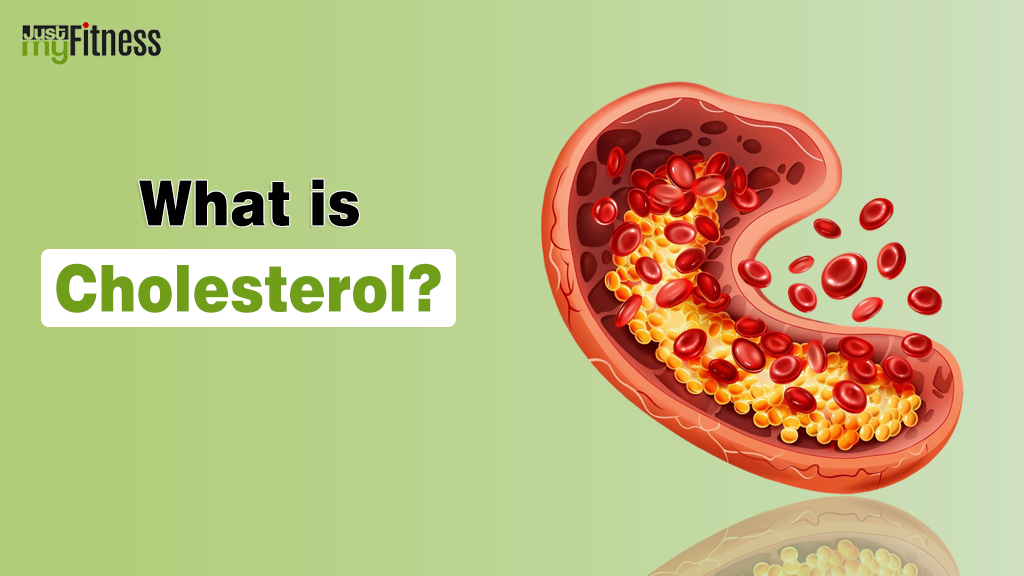
Cholesterol is a fatty, waxy chemical that occurs throughout your body in all cells. Your body requires a little cholesterol to synthesize hormones, vitamin D, and chemicals which help in the digestion of foods.
Your body produces the entire cholesterol. Foods of animal origin are also sources of cholesterol, including egg yolks, meat, and cheese. When the level of cholesterol in your blood is excessively high, it may mix with other particles in your blood to plaque.
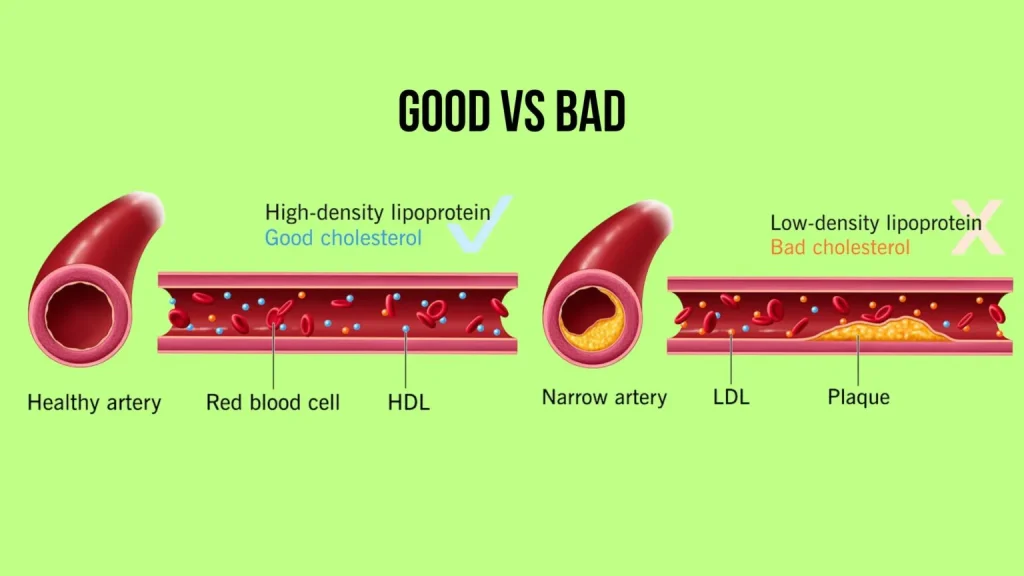
Plaque sticks to the walls of your arteries. This deposition of plaque is referred to as atherosclerosis. It also may result in coronary artery disease, where your coronary arteries are narrowed or even blocked.
I have been practicing and researching recently on the impact of cholesterol on the general well-being. One should be aware of the various types of cholesterol and what each does in the body and what happens when the levels are too high or too low.
Types of Cholesterol
Lipoproteins are HDL and LDL. They consist of fat ( lipid) and protein. The proteins must have the lipids so that they are free to circulate in the blood. Lipoproteins are of different types with different functions.
1. High-density lipoprotein
High-density lipoprotein is known as HDL. People also refer to it as good cholesterol since it aids your body to clear cholesterol. It transports cholesterol to other areas of your body to your liver. The cholesterol is then removed in your body by your liver.
2. Low-density lipoprotein
LDL means low-density lipoprotein. It is also referred to as bad cholesterol in that, the accumulation of plaque in your arteries is as a result of having a high LDL level.
Normal blood cholesterol level is 125-150 mg/dL.
- HDL should be above 45 mg/dL.
- LDL should be below 70 mg/dL.
Functions of Cholesterol in the Body
Personally, I have studied and practiced that cholesterol is not only something bad, it fulfills numerous important functions in the body including:
- Maintaining cell structure: Approximately 60 percent of cell membranes is composed of cholesterol, which provides a source of strength, flexibility and stability.
- Producing hormones: It is the basic building block of vital hormones such as estrogen, progesterone, testosterone and cortisol.
- Forming bile acids: Liver-made cholesterol is utilized to create bile, which digests fats and absorbs fat soluble vitamins.
- Supporting brain and nerve function: The brain contains about a quarter of the total cholesterol in the body and is very instrumental in nerve signaling, memory and general brain functioning.
- Absorbing vitamins: Fat soluble vitamins A, D, E and K are needed and carried by cholesterol and are required to prevent vision, bone strength, immunity and antioxidant protection.
- Aiding immune function: Cholesterol assists the immune system which protects the cells and aids the body in fighting off inflammation.
Most Common Cause Of High Cholesterol
An unhealthy lifestyle is the most common cause of high-cholesterol. This can include:
- Poor eating habits, e.g. consumption of saturated fats in large amounts. The sources of these fats include red meats, full-fat dairy products, chocolate, portions of baked goods and a big part of deep fried and processed foods. Consumption of excessive saturated fat may increase your LDL (bad) cholesterol.
- Physical inactivity, sitting and too little exercise. This reduces cholesterol HDL (good).
- Smoking, which decreases the HDL cholesterol, particularly in women. It also increases your LDL cholesterol.
- Stress, which can elevate the levels of some hormones e.g. the corticosteroids. These may make your body produce more cholesterol.
- Excess of alcohol that may increase your overall cholesterol level.
- There is also the possibility that genetics are the cause of high cholesterol in people. In fact, familial hypercholesterolemia (FH) is a hereditary disease, which results in extremely high amounts of cholesterol in the blood.
- LDL cholesterol level or reduction of HDL cholesterol may also be increased or decreased by other medical conditions and some medicines.
Effects of High Cholesterol (Hypercholesterolemia)
- Atheroclerosis: Hard and narrowed arteries become hard, leading to high blood pressure and heart complications.
- Coronary Artery Disease (CAD): Coronary artery narrowing decreases blood supply to the heart muscle, thus decreasing circulation to it.
- Peripheral Artery Disease (PAD): PAD occurs when there is narrowing of arteries in legs or other body parts that leads to poor blood flow, pain and potential tissue damage.permanent tissue damage.
- Stroke: If a brain artery bursts or is blocked, blood flow to the brain stops. This can cause brain damage or even death.
- Transient Ischemic Attack (TIA): This condition refers to temporary blocks in blood flow to the brain that results in temporary reduced cerebral oxygen availability and can subsequently lead to “mini-strokes.”
- Heart Attack (MI): When a blood clot blocks off oxygen to your heart muscle causing extensive tissue damage and death.
Treatment of High Cholesterol
In my studies and my clinical knowledge, I have concluded that cholesterol management is not only about reducing the values, but also safeguarding the health of the heart and metabolism in general. Treatment normally starts with lifestyle changes and may in some cases proceed to medical assistance.
1. Lifestyle Changes
The basis of cholesterol management is a heart healthy lifestyle. It consists of restricting food containing saturated and trans fats and increasing intake of fruits, vegetables, whole grains, legumes, foods high in omega 3 like fish and nuts. Physical activity is also vital and at least 150 minutes of moderate exercise a week (brisk walking, swimming, cycling, etc.) can turn out to be a great difference.
2. Medical Treatment
Doctors can prescribe medicines where lifestyle modifications fail to be effective. The most common statins to lower LDL cholesterol and prevent cardiovascular disease include statins like atorvastatin or simvastatin.
Depending on the condition and health profile of an individual, the other alternatives are bile acid sequestrants, cholesterol absorption inhibitors, PCSK9 inhibitors, and fibrates.
3. Monitoring
Constant close-ups are necessary. Cases of regular check-ups and full lipid profile check-ups allow monitoring of progress, modify treatment routines and guarantee success in the long term.
Effects of Low Cholesterol
Very low cholesterol can also be harmful:
- Risk of hemorrhagic stroke (brain bleeding) because blood vessels may become weak.
- Weaker immunity, leading to higher chance of infections.
- Poor absorption of fat-soluble vitamins (A, D, E, K) and possible iron deficiency.
Causes of Low Cholesterol
- Genetic conditions (e.g., familial hypobetalipoproteinemia, familial hypolipidemia).
- Liver problems (cirrhosis, hepatitis).
- Overactive thyroid (hyperthyroidism).
- Long-term use of cholesterol-lowering medicines (statins, niacin, fibrates, bile acid sequestrants).
- Malabsorption syndromes such as celiac disease and Crohn’s disease (e.g., digestive difficulties) require special consideration for treating..
- Cancer or chronic inflammation.
- High energy use (severe infections, serious illness, pregnancy with severe vomiting).
- Malnutrition.
Finally
In my personal clinical practice and in my life long learning, I have come to realize that cholesterol must not be regarded as purely bad. It is important to our body, both in cell construction and the support of our brain and immune system. Issues tend to occur when the cholesterol is either too elevated or too decreased, and both ends are dangerous.
The good news is that with simple and consistent steps (heart-healthy lifestyle, physical activity, and aware food decisions), the majority of individuals will be able to control their cholesterol levels. There are situations when medicine might be required, yet the basis is always on lifestyle.
The best message to me is that awareness will translate to action. When you know what cholesterol is and the way it is influencing your health, it would be in a better position to get into control. Cholesterol management does not need a report with numbers on it to be done, it is about keeping your heart, your brain, and your health in general safe in the long run.
