



Medical disclaimer: This article is for informational purposes only and does not replace personalized advice from your physician or a registered dietitian.
If you’ve ever felt like your body isn’t responding the way it should, especially when it comes to blood sugar, you’re not alone. Insulin resistance is more common than you think, and the good news is your plate holds a lot of power.
Handling insulin resistance begins with your meal. Insulin resistance diet is not a fad, but a realistic, evidence-based form of eating that aids your cells to become more sensitive to insulin, levels the peaks and valleys of glucose levels and helps to maintain weight and healthier metabolic indicators.
In this blog post, I have outlined some explicitly defined principles, specific food lists, and a sample day menu, based on research and practical experience, to help you manage insulin resistance.
What is Insulin Resistance?
Insulin is a hormone that helps sugar (glucose), contained in the food you consume, enter your cells, which is used to generate energy or stored as energy. With nothing going wrong, insulin maintains your blood sugar level.
However, during insulin resistance, the body no longer responds to insulin by the muscles, fat, and liver cells. That is, glucose does not get into the cells without any issues, and it accumulates in your blood. In response, your pancreas pumps out more insulin to try to force the glucose in.
Signals to discuss with your clinician: elevated fasting glucose or insulin, higher A1C, lipid irregularities (e.g., high triglycerides, low HDL), central adiposity, PCOS symptoms, family history of type 2 diabetes.
Core Principles of an Insulin Resistance Diet
- Slow the glucose curve. Choose carbohydrates that digest/absorb slowly (fiber‑rich, minimally processed) and pair them with protein and fat.
- Front‑load protein and fiber. Especially at breakfast and lunch to improve satiety and post‑meal glycemia.
- Prioritize unsaturated fats. Emphasize extra‑virgin olive oil, nuts/seeds, and fatty fish; limit trans fats and highly refined oils.
- Mind portions and meal order. Non‑starchy vegetables → protein/fat → starches/fruits can flatten glucose peaks.
- Be consistent. Regular mealtimes, adequate sleep, hydration, and movement after meals support the same goal.
Foods to Emphasize (and what to limit)
Non‑starchy vegetables (liberal): leafy greens, broccoli, cauliflower, peppers, zucchini, mushrooms, tomatoes, cucumbers, cabbage, asparagus, green beans, eggplant, Brussels sprouts.
Protein sources: eggs; fish (salmon, mackerel, sardines, trout); poultry; tofu/tempeh; low‑fat Greek yogurt or skyr; cottage cheese; legumes (lentils, chickpeas, black beans—count toward carbs but high in fiber/protein).
Smart carbohydrates: steel‑cut/old‑fashioned oats, quinoa, farro, barley, brown or wild rice, 100% whole‑grain bread (look for ≥3 g fiber/slice), buckwheat, sweet potatoes with skin, berries, apples, pears, citrus.
Healthy fats: extra‑virgin olive oil, avocado, olives, walnuts, almonds, pistachios, chia, flax, hemp seeds, natural peanut/almond butter.
Fermented & polyphenol‑rich extras: plain kefir, sauerkraut, kimchi, tea, coffee (unsweetened), cocoa (70%+), herbs/spices (cinnamon, turmeric, ginger).
Limit or swap: sugar‑sweetened beverages, juices, refined grains (white bread, pastries), candies/desserts, ultra‑processed snacks, large portions of white rice or fries, processed meats, excessive alcohol.
Pro tip: If a food lacks fiber/protein and tastes very sweet, it will likely spike glucose. When you eat it, reduce the portion and pair it with protein/fat.
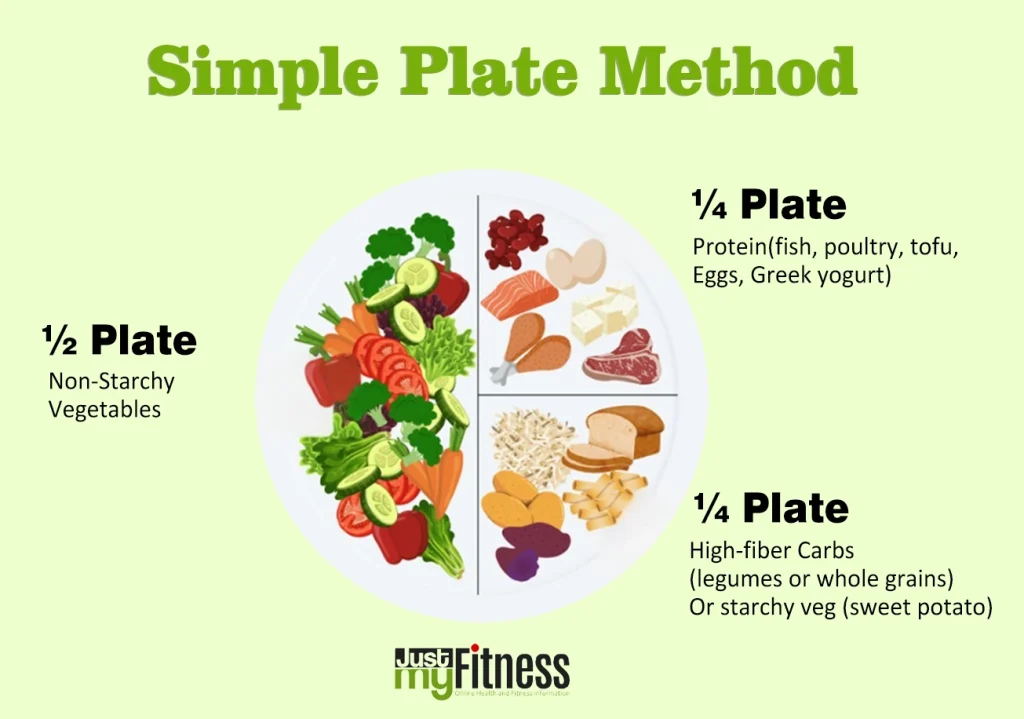
Simple Plate Method
- ½ plate non‑starchy vegetables
- ¼ plate protein (fish, poultry, tofu, eggs, Greek yogurt)
- ¼ plate high‑fiber carbs (legumes or whole grains) or starchy veg (sweet potato)
- 1–2 thumbs of healthy fats (olive oil drizzle, nuts/seeds)
Sample 1‑day Insulin Resistance Diet Menu (1,800 kcal; adjust as needed)
Breakfast
- Greek yogurt bowl: 1 cup plain Greek yogurt, ½ cup berries, 1 tbsp chia, 1 tbsp chopped walnuts, cinnamon
- Optional: black coffee or unsweetened tea. Why it works: ~25–30 g protein + fiber/fat for a gentle glucose rise.
Lunch
- Salmon salad bowl: 120–150 g baked salmon, big mixed greens, cucumber, cherry tomatoes, olives, ½ cup chickpeas, olive‑oil/lemon dressing
- Side: small slice 100% whole‑grain bread. Why it works: protein + omega‑3s + fiber keep you full; chickpeas add slow carbs.
Snack
- Apple + 1–2 tbsp natural peanut butter. Why it works: fruit paired with fat to blunt glucose peak.
Dinner
- Turkey or tofu stir‑fry: turkey breast or firm tofu with broccoli, bell peppers, mushrooms sautéed in olive oil; ¾ cup cooked quinoa
- Side: mixed salad with vinegar dressing. Why it works: high protein, many vegetables, modest high‑fiber starch.
Evening (optional)
- Herbal tea, ½ cup skyr or cottage cheese if hungry
Why these Choices Help
- Mediterranean‑style patterns (vegetables, legumes, whole grains, olive oil, fish) are consistently linked with improved insulin sensitivity and reduced diabetes risk.
- Higher protein at breakfast can moderate post‑prandial glucose and improve satiety over the day.
- Viscous fiber (oats/barley β‑glucans, legumes) slows carb absorption and lowers LDL cholesterol.
- Meal sequencing (veggies → protein/fat → starch) and post‑meal walking (10–20 minutes) can meaningfully reduce glucose excursions.
- Weight reduction (5–10%), if recommended by your clinician, often improves insulin sensitivity and cardiometabolic markers.
Seven Practical Habits that Move the Needle
- Build a protein‑forward breakfast (≥25 g). Examples: Greek yogurt + chia + berries; omelet + veggies; tofu scramble.
- Add vegetables first at lunch/dinner; dress with olive oil/vinegar to increase satisfaction.
- Swap refined grains for intact grains/legumes 2–3 times per day.
- Mind liquid sugars. Choose water, tea, or coffee without sugar; add milk alternatives sparingly.
- Walk after meals (even 10 minutes).
- Sleep 7–9 hours. Sleep loss worsens insulin resistance; protect your wind‑down routine.
- Strength train 2–3×/week. More muscle = larger “glucose sink.”
A quick checklist for meal building
- Do I have 25–40 g of protein on this plate?
- Is ½ the plate vegetables?
- Is my carb source intact and high‑fiber (legumes/whole grains) and right‑sized (½–1 cup cooked)?
- Did I include healthy fats (olive oil, nuts, seeds, avocado) for satisfaction?
- Can I walk 10 minutes after this meal?
Safety, Meds, and Personalization
If you use glucose‑lowering medication (especially insulin or sulfonylureas), changes to diet and activity can alter your needs—work with your clinician to prevent hypoglycemia. If you’re pregnant, have kidney disease, or other conditions, get individualized guidance from a registered dietitian.
Bottom Line
An insulin resistance diet is a long-term, sustainable method of pushing toward metabolism: the increased intake of fiber-rich plants, adequate protein, intelligent carbohydrates, and healthy fats, along with exercise and good sleep. Begin with one or two swaps this week (protein-forward breakfast, veggies first at dinner), observe your reaction, and go beyond. Minimal, reproducible interventions will add up to improved insulin sensitivity and health in the long term.
