



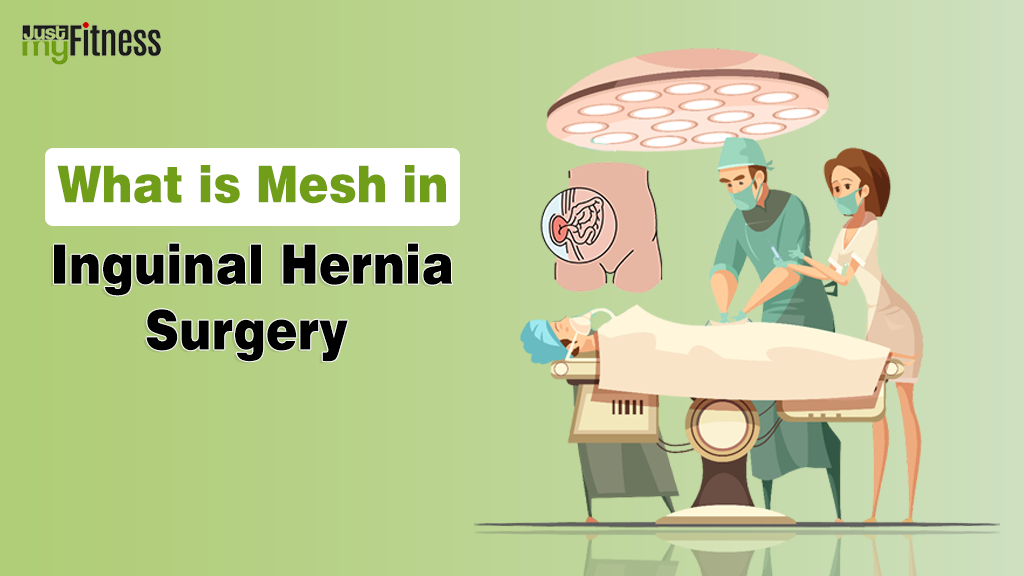
If you are dealing with an inguinal hernia, then you might have heard about mesh surgery.
You know I can purely understand how it feels when a family member faces this condition. If I tell you my personal experience, then it was scary, but understanding the options helped me a lot in handling this condition.
Keep in mind that mesh is a common fix that strengthens the repair and helps you eliminate this inguinal hernia. If you are one of those who face this issue or want to help someone resolve it, then this is for you. In this blog post, I will discuss what an inguinal hernia is, provide an in-depth discussion on mesh and explain how it plays a crucial role in the successful outcome of inguinal hernia surgery in Los Angeles.
What is an Inguinal Hernia?
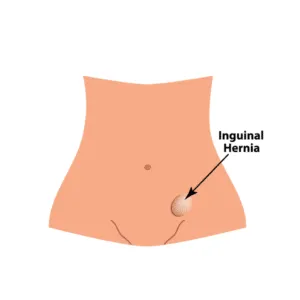
An inguinal hernia is a medical issue that happens when tissue pushes through a weak spot in the groin area.
It causes swelling in the groin area that can be painful or just annoying. This type of hernia is more common in men, likely due to the inguinal canal, where the testicle descends, as mentioned by the Mayo Clinic. The swollen part may become visible when you cough or lift something.
I have also experienced that the intestine or fat can also put some pressure on, leading to discomfort. Its symptoms include pain in the groin, especially when bending.
If ignored, it can lead to complications such as strangulation, where blood flow is cut off. And after that, keep in mind that this becomes a serious condition and needs quick surgery.
Doctors diagnose it with a physical exam, sometimes using an ultrasound. Surgery is usually recommended to prevent issues and alleviate symptoms because it’s common, with millions of procedures performed yearly, so you are not alone.
What is Mesh in Inguinal Hernia Surgery?
Mesh is a biological material used to reinforce the abdominal wall during hernia repair.
According to my experience, it is a patch-like structure that helps the muscle heal stronger. Therefore, it helps reduce the likelihood of reappearance. Surgeons place it over the defect to support the tissue, just like a safety net.
There are two main types of mesh used in inguinal hernia repair:
Synthetic Mesh
Synthetic mesh is made from materials such as polypropylene. I have observed how durable and widely used it is for open or laparoscopic repairs.
This non-absorbable type stays in place, integrating with your tissue over time. It’s affordable and effective for most cases, though it can sometimes cause inflammation if not placed correctly.
Biologic Mesh
Biologic mesh is derived from animal or human tissue and processed to ensure its safety. You should know that it’s absorbable, dissolving as your body heals, as mentioned in ScienceDirect.
It’s ideal for infected or contaminated hernias, reducing the risk of rejection. Whereas it is pricier, it promotes natural healing, and that is a plus point for complex cases.
Mesh has become the standard since the 1990s, and I have seen it used through small incisions in minimally invasive surgery. It also helps speed up recovery. But keep in mind that it’s not for everyone; some opt for suture-only if the hernia is small, but it’s reliable for most.
Benefits of Mesh in Inguinal Hernia Surgery
Mesh repair reduces the likelihood of the hernia recurring. It strengthens the wall with recurrence under a specific percentage. This durability means one surgery often does it.
Recovery is quicker with mesh. Minimally invasive methods using mesh cause less pain and scarring. I have heard that patients typically return to work within 1-2 weeks, which is a significant advantage.
It supports the tissue without tension and distributes pressure, reducing strain on stitches. This comfort helps healing.
Mesh suits various hernias, from small to large. It’s versatile for open or laparoscopic approaches, and this option fits different patient needs.
How is Mesh Used in Inguinal Hernia Surgery?
Surgeons use mesh in open or minimally invasive repairs. I have seen how it works in open surgery; they make an incision, push tissue back, and place mesh over the defect. Stitches or tacks secure it, then the cut closes.
In laparoscopic surgery, small incisions allow a camera and tools. Mesh is inserted and secured to minimize scarring. Robotic methods add precision with controls.
The procedure takes 1-2 hours under anesthesia. And after that, the mesh integrates with tissue in weeks, becoming part of the body. You just need to continuously follow up to ensure healing, with most people returning to normal in 4-6 weeks.
Advantages of Mesh Hernia Repair Los Angeles
In Los Angeles, mesh repair offers quicker recovery. You may have also read bout how minimally invasive techniques use small incisions for less pain. This approach gets patients moving sooner.
It reduces recurrence risks. Mesh reinforces the wall, resulting in failures dropping to low single digits and allows tension-free repair.
Recovery After Mesh Hernia Repair Los Angeles
After undergoing Mesh Hernia Repair Los Angeles, patients can generally expect to experience a quicker recovery compared to traditional open surgery. I have personally observed that patients often walk soon after treatment to prevent clots. Pain meds help, with most of them taking effect in a day or two.
Mesh patients typically return to work in 1-2 weeks compared to longer recovery times for non-mesh patients. You just have to take some care, such as avoiding heavy lifting for 4-6 weeks, to allow the injury to heal.
Conclusion
Inguinal hernia surgery with mesh is a game-changer. It offers faster recovery and minimizes the risk of recurrence.
From my own experience, I have witnessed how this option not only strengthens the abdominal wall but also provides peace of mind. The convenience of minimally invasive techniques means less pain and quicker return to daily activities.
If you or a loved one is navigating this condition, I encourage you to consider mesh as a reliable solution. It can significantly improve the quality of life and promote healing.
