



Essential components of our diet are carbohydrates, proteins, and fats. In a balanced diet, three compounds play specific roles in the body. All these nutrients have their origins. This ensures that the body is free from different diseases and remains healthy. The body obtains energy from these nutrients to perform its operations, physical activities, and other functions.
This article will address the origin and function of carbohydrates, protein, and fat. We also strive to learn more about a balanced diet and its needs.
What are Carbohydrates?
Carbohydrates are present in foods and drinks. They are a form of macronutrient i.e Sugars, starches, and fiber are major carbohydrate types in different foods and beverages, including plant foods and milk products. Fruits and vegetables are considered the primary sources of carbohydrates. They provide us with energy. Our body performs various functions and works actively due to them.
Sources of Carbohydrates
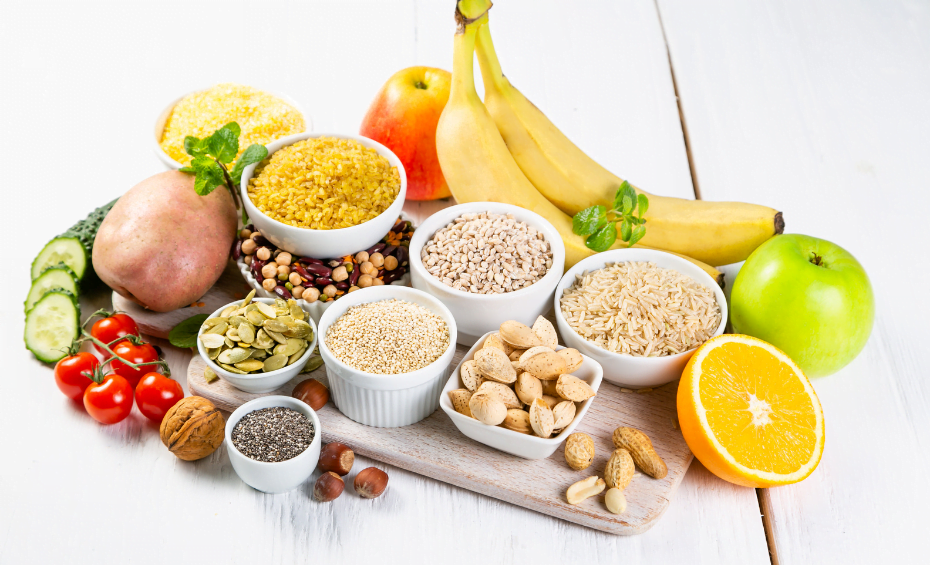
Grains, bread, fruits, fruit juices, vegetables, dairy products, foods and sugar are some of the main sources of carbohydrates in a balanced diet.
Main Roles of Carbohydrates in a Balanced Diet
Carbohydrates are adequate in multiple ways if appropriately taken in a balanced diet. Hence, it is essential to be aware of the primary roles of carbohydrates. Some of the primary roles of these are discussed below in detail.
Supply Energy to Our Brain and Muscles
They have a significant role in supplying energy to our brains. Our brain requires power to perform many functions and activities. The necessary amount of energy is made up of them. Our body breaks carbohydrates down into glucose. Our brain needs it. There is no store of it in it.
It relies on glucose, a carbohydrate, as its primary fuel source. Unlike other organs and tissues in our body, the brain does not store significant energy reserves. Therefore, it depends on a constant supply of glucose from carbohydrates to function optimally.
Helpful to Decrease Bloating
Carbohydrates, an essential component of our diet, exhibit a remarkable influence on mitigating bloating and gas within our intricate digestive system. The journey of these carbohydrates commences as we partake in their consumption, for they undergo a transformative process during digestion, breaking down into more elementary sugars.
Subsequently, these sugars embark on a voyage of absorption into our bloodstream, propelling the provision of vital energy to sustain our bodily functions. The seamless digestion and assimilation of carbohydrates not only foster a state of well-being within our digestive framework but also potentially assuage the prevalence of bloating predicaments.
Decreased the Risk of Cardiac Diseases and Cancer
They keep our hearts healthy and protect it from harmful effects and diseases. They maintain sugar levels and cholesterol. That means our hearts remain more robust and healthier. They almost eliminate the possibility of cancers like colon and stomach cancers. We should eat them in the form of grains, fruits and vegetables. They reduce the risk of cancer, too.
Source of Better Skin
They keep our skin better, care for it, and protect it from many skin diseases. Their use result in healthier skin.
What is Protein?
They are comprised of amino acids, considered life’s building blocks. Amino acids have two forms: essential amino acids and non-essential amino acids. The form of essential amino acids is provided through the food. Proteins have vital roles and functions in developing, making and repairing our muscles. They give the formation of enzymes, hormones and antibodies that are necessary for many physiological processes.
Major Sources of Proteins
Seafood, meat, nuts and seeds, legumes, dairy products and vegetables etc., are major sources of the proteins.

Main Role of Proteins in a Balance Diet
Proteins play a crucial role in maintaining a balanced diet and overall health. You should be aware of, their role as enzymes and hormones, their contribution to a strong immune system, their functions in the transfer and storage of molecules, and their role as an energy source.
Growing and Repairing of Tissues in Our Body
Proteins bring about to grow, repair and maintain tissues in our body. They supply the development and repair of muscles, hair, organs, nails and other body tissues. They ensure the growth and repair of tissues in our body.
Enzymes and Hormones
Proteins work like a catalyst in the shape of enzymes. They facilitate chemical processes and reactions in our bodies. Many metabolic processes like digestion, cellular function and energy production. In comparison, hormones are like chemical messengers. They regulate the functions of our body. They also consist of proteins. The processes of growth, reproduction, metabolism and stress response, among others.
Protein’s Role in Muscle Growth and Repair
Protein, an indispensable building block, assumes a pivotal role in the realm of muscle development and restoration. Our muscles predominantly consist of intricate protein fibers, making protein a critical component in nurturing their growth and rejuvenation. Our muscles endure minuscule yet impactful impairments whenever we partake in physical endeavors such as exercise or strength training. During this juncture, protein emerges as a lifeline, orchestrating the intricate process of mending these damaged muscle fibers while simultaneously fostering their expansion, fortitude, and enduring capabilities.
Functions of Transfer and Storage
Important molecules are transferred into our bodies by proteins. Hemoglobin is a protein in red blood cells. These carry oxygen from the lungs to different tissues and organs. The transportation of vitamins, nutrients and minerals throughout the body. They also can store necessary molecules like iron and oxygen in our muscles and organs.
Energy Source
Proteins, like carbohydrates and fats, during fasting or intense physical activity provide energy to our bodies.
Fats
Fats are known as a necessary part of a balanced diet. They work like a concentrated source of energy. These supply more than twice the calories per gram compared to proteins and carbohydrates. They regulate hormones in our bodies. More three kinds like saturated fats, unsaturated fats and trans fats.
Saturated Fats: They are present in animal products and some plants.
Unsaturated Fats: There are two types of unsaturated fats.
- Monounsaturated Fats
- Polyunsaturated Fats
These fats are considered healthier for our bodies. These help to control our bad cholesterol (LDL) and boost our good cholesterol (HDL).
Trans Fats: They are found in fried foods. They should not be used excessively.
Major Sources of Fats

Animal products, butter, oils and egg yolks are some of the major sources of fats.
Storage of Fats in the Body
Fats find their abode within our body’s adipose tissue, serving as a concentrated reservoir of energy. When our physiological system necessitates an energy boost, stored fats undergo meticulous breakdown, liberating fatty acids into the bloodstream.
Release of Fatty Acids for Energy
The liberated fatty acids from stored fats become a readily accessible source of energy for various tissues and organs across our body. These fatty acids provide a sustained and efficient fuel supply, particularly during extended periods of fasting or rigorous physical exertion.
Regulation of Hormones
Fats assume a pivotal role in the intricate domain of hormone production and regulation within our bodily framework. Specific types of fats become imperative for the synthesis of hormones, encompassing reproductive hormones, cortisol, and other vital signaling molecules. A reasonable intake of fats becomes paramount in maintaining hormonal equilibrium and overall holistic well-being.
The Role of Beneficial Fats in Brain Development
Positive fats with omega-3 acids play an impressive role in developing the brain to its peak functioning, and also promote cognitive function. It provides building blocks that form and maintain cell membranes in the brain, allowing effective communication throughout its network of cells.
Mechanism and Neuroprotective Properties of Positive Lipids
The consumption of healthy fats has been shown to have associations with better cognitive function, improved memory retention and a higher level of focus. Furthermore, these fats act like neuroprotectants preventing degenerative ailments such as Alzheimer’s and Parkinson’s diseases. The addition of healthy fats to the diet is vital for brain health at any stage.
Facilitating Restorative Sleep
Certain fats have demonstrated a positive correlation with improved sleep quality. The impact of beneficial fats on brain function and neurotransmitter production proves influential in modulating sleep cycles. Thus, integrating healthy fats into one’s diet may contribute to more restful sleep patterns and overall sleep quality.
Conclusion
The three nutrients mentioned above in a balanced diet are very important. Carbohydrates supply the body with energy. Proteins are necessary for growing and repairing tissues. Fats have their role in many body functions. The role of carbohydrates, proteins and healthy fats make sure our health. These macronutrients in our food and diet keep us healthy.
