



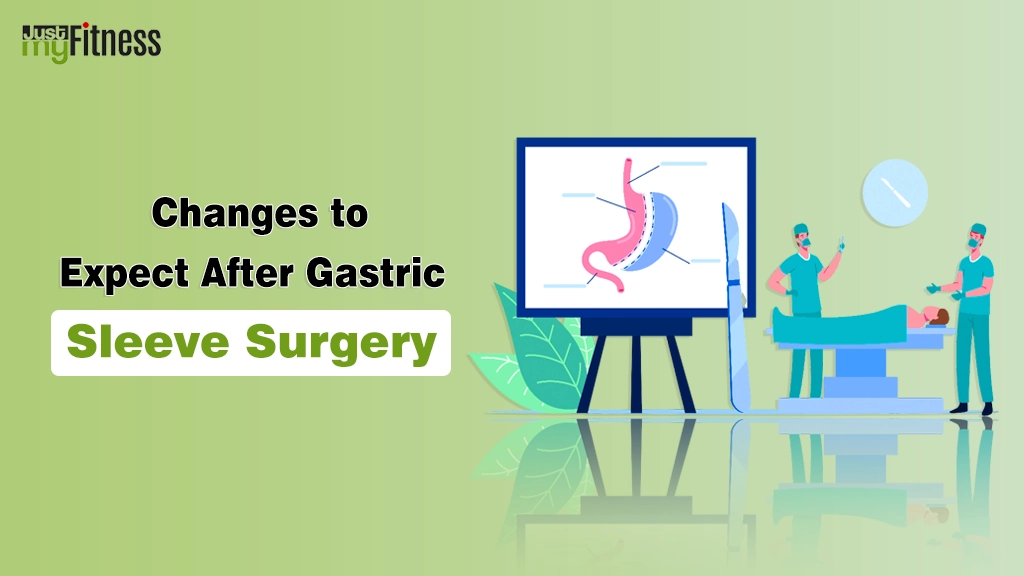
The Gastric Sleeve procedure is a transformative weight loss surgery that changes more than just your body. At the Torrance Bariatrics Institute, patients are prepared for the many realistic physical and emotional changes they may experience after surgery. Understanding these changes can help you set healthy expectations and adjust smoothly to your new lifestyle.
The good news is that a lot of patients become much healthier and energetic after a long run. It is also a significant change in lifestyle.
In order to have a realistic expectation, I will take a walk across 10 essential things that are likely to occur after a gastric sleeve.
1. Dramatic Reduction in Stomach Size and Portion Control
Among the most obvious ones is the fact that your stomach is small. A sleeve gastrectomy reshapes your stomach into a tube around the size of a banana.
Practically, you will be full very soon compared to previously. Even a handful of bites will distend that new stomach a good deal. Consider, as one example, that post-surgery patients frequently begin at one-fourth to half a cup per portion (think a small ramekin) of food.
You slowly build up to anywhere near one cup per meal over weeks and months. That is, your typical platefuls will shrink to minis. This is the object of a reduced portion size. You will be taught to chew gradually, enjoy what you eat, and quit eating the moment that you are full. It just needs practice, and it is one of the reasons why the surgery results in weight loss.
2. Rapid Initial Weight Loss
After the first 3 months, most patients reduce their body weight by 10-20 percent. Within a period of one year, average weight loss stands at 50-70% excess weight, depending on the extent of lifestyle modifications.
Individuals lose approximately one-half of their excess weight in 12-24 months, on average. Excess weight refers to all that is beyond a healthy weight for your height.
This means weight loss occurs quickest within six months as a result of changes in calorie intake and hormones. But do not get discouraged when you experience plateaus; it is natural.
Overall, your progress will be determined by various elements, such as your starting weight, age, metabolic health, and adherence to your new diet and physical activity.
3. Hormonal Changes That Decrease Appetite
A gastric sleeve doesn’t just make your stomach smaller; it also changes your hormones. The surgery removes the part of the stomach that makes most of the hunger hormone ghrelin. Many patients find their appetite drops substantially after surgery, with less ghrelin circulating.
In other words, you simply won’t feel hungry as often as before. It’s common to go longer between meals without those intense hunger pangs. One patient description is telling: some people have such low hunger they set alarms to remind themselves to eat.
You’ll likely find it easier to resist constant snacking because you physically don’t feel the need to eat all the time. This hormone shift is a big help in forming healthier eating habits.
4. Changes in Taste and Food Preferences
Studies and patient accounts indicate that several individuals develop distorted tastes. As an example, there is also the loss of appetite to sweets and fatty foods. It means that the chocolate cake or heavy fried foods may suddenly seem too sweet or too rich to you, and you may want to eat them a lot less.
People go to the extent of reporting that the sweet treats are cloying or intense, and the high-fat food is greasy. Such taste shifts may appear in several weeks or months postoperatively and usually result in making healthier choices (fruit instead of candy, lean protein instead of greasy meat).
Not all patients are the same: in some, the change is permanent, in others it comes to an end. However, overall, the sugary, fried, or highly oily foods may lose their tonicity.
On the positive side, several patients find that they like foods they avoided in the past, such as lean proteins or vegetables, because they can taste them better.
5. Need for Nutritional Supplements
Due to lower food intake and altered nutrient absorption, supplements become a lifelong necessity. Your bariatric team will recommend a routine that usually includes:
- A complete multivitamin (with iron)
- Calcium citrate with Vitamin D
- Vitamin B12 (often sublingual or injectable)
- Additional iron or Vitamin D3, if needed
Skipping supplements isn’t an option. Without them, you risk developing issues like anemia, osteoporosis, or nerve damage. Your provider will monitor your levels through regular bloodwork (typically every 6-12 months) and adjust your supplements as needed.
6. Loose or Excess Skin
Since your body is losing a lot of weight quickly, your skin might not be able to keep up with the pace and tighten up as fast as it could and should. You can start getting loose or saggy skin in areas as you lose weight, such as the abdomen, arms, thighs or chest, when your weight is reduced to 100 pounds.
For some people, it’s just a cosmetic thing, but for others, it can be a source of irritation or actually be problematic (rashes, infections in panty liner creases, etc.).
Clothing may look loose and hang differently, and some patients do not like this. If this offends you, then there are surgical choices called body contouring or “skin removal” surgery. A small minority of patients opts to have body contouring surgery (such as tummy tucks or arm lifts) once their weight has stabilized, within 12 to 18 months after their surgery.
7. Improved Physical Energy and Mobility
Most people feel noticeably more active after shedding extra weight. In the early recovery phase, you’ll be tired and need rest, but as weeks pass, you often wake up feeling more energetic.
In fact, organizations like ASMBS report that “after weight loss surgery, patients often feel they have more energy and may want to exercise”.
You may imagine finally having the stamina to take a long walk or play with your kids, things that can have been hard when every step felt heavy.
So, you can find yourself moving faster, exercising longer, or handling chores with less effort than before. All these gains create a positive cycle: more energy lets you be active, which burns calories, which keeps you moving freely.
8. Emotional and Psychological Adjustments
Gastric sleeve surgery can stir up a surprising wave of emotions. You can feel joy, sadness, anxiety, or mood swings, sometimes all in the same week. Why? You’re adjusting to a major life change, and food is no longer a comfort option.
StatPearls notes that the “drastic changes in body weight and physiology” can trigger emotional distress and mood fluctuations. For example, food used to be a comfort for many people; suddenly you can’t rely on that coping mechanism, which can stir up old feelings.
Besides this, there is a literal chemical change of your brain (shifts in hormone and nutrient levels) which may alter mood and attention. The great news is that these variations in emotions tend to stabilize with time, and counseling or support can assist.
Most bariatric programs have support groups or therapy to adjust to the new changes. It is not a problem to discuss how you feel with your family or friends or even with your healthcare partners.
9. Social and Relationship Changes
When you change, your relationships may change, and this is good and even sometimes hard. As the weight goes off and the activities increase, the new social opportunities usually present themselves.
You might be motivated to participate in activities you were unwilling to before (hiking, sports, dancing, etc.), and this way, can lead you to people who have the same interests as you do.
You could develop new relationships via exercise, interest or mailing lists. But sometimes there is friction too when your new priorities are not in line with old patterns.
The most effective way? Open communication. Share your experience with your loved ones and tell them how they can help you.
10. Lifelong Commitment to Health
Gastric sleeve surgery isn’t a quick fix, it’s a lifelong commitment. Think of the surgery as a powerful tool that works best when paired with consistent effort.
You’ll need to:
- Follow a high-protein, low-sugar diet
- Avoid carbonated drinks and empty calories
- Exercise regularly (aim for 30 minutes most days)
- Take your supplements daily
- Get routine lab work and annual checkups
Your bariatric team will be your long-term partners in care. They’ll help you adjust if you hit a plateau or need medication or further intervention. Staying committed ensures lasting results and keeps you feeling strong, confident, and healthy.
Final Summary
Gastric sleeve surgery is the start of an incredible health journey. You can expect big changes like your stomach will shrink, you’ll lose weight quickly, your appetite will ease, and your taste preferences may shift.
You will have to introduce new eating patterns, use vitamins and exercise. One may experience loose skin and emotional swings on the road, yet it is nothing to be scared about because these are all natural consequences of the process. It will change the way you relate and do things as you will discover a different and healthier you.
The most vital is to remain positive and patient about yourself. Follow the instructions of Torrance Bariatrics Institute and your caring professionals, learn, and utilize your support network. These alterations will have you living a happier more active life with time and dedication and that s the true objective. You are up to it and the rest of the path is prolific.
