


Think of the time when you enter a clinic and your medical history, recent lab results, allergies, and potential health risks are already known to your doctor before you speak a word. Sounds futuristic? With the help of healthcare data collection software, this is coming into reality very fast.
In this fast-paced medical world, data is the lifeblood of better care, smoother operations, and smarter decisions. As a hospital administrator, a physician or a patient, it is difficult to overestimate the ripple effects of good data management.
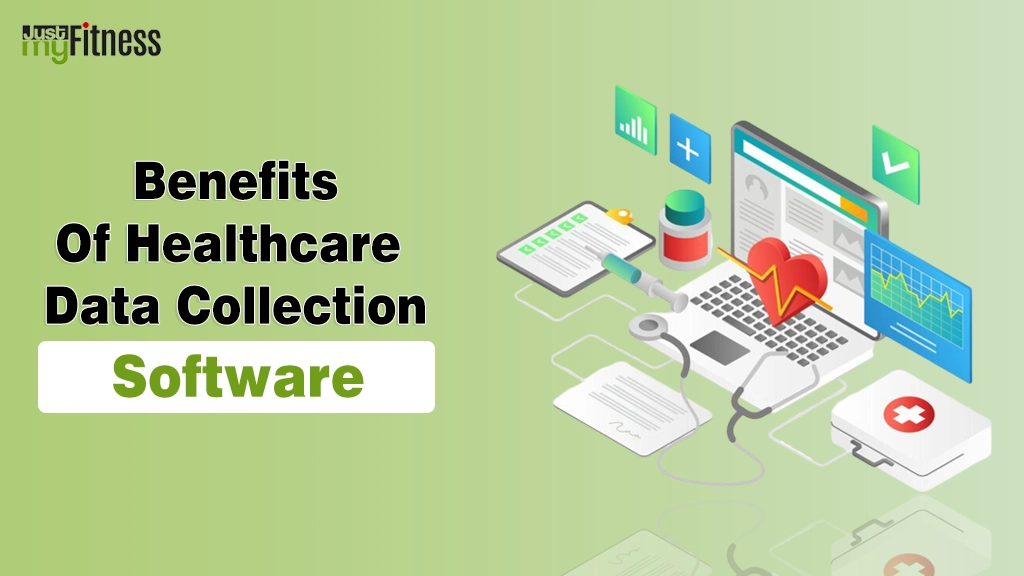
In this blog post, I will explain how healthcare data collection software is reshaping the industry and why it’s a must-have for modern healthcare providers.
What is Healthcare Data Collection Software
Healthcare data collection software is designed to collect a wide range of medical and administrative data from various sources. It collects data from electronic health records (EHRs), lab results, wearable devices, patient intake forms, and billing systems, etc.
This software acts as a central hub where all relevant patient information is securely stored and easily accessible to authorized medical staff.

5 Key Benefits of Healthcare Data Collection Software
1. Smarter Decision-Making with Real-Time Insights
All health care decisions such as diagnosis of an illness to medication prescription are concerned with proper and prompt information. The healthcare data collection software will enable a provider to have real-time access to patient histories, lab results, imaging, and even wearable data. Such a big picture enables the medical experts to make decisions more quickly and confidently.
For instance, a physician treating a patient with chronic hypertension can instantly review trends in blood pressure readings, medication adherence, and lifestyle factors, enabling a more personalized and effective treatment plan.
According to Deloitte, 90% of healthcare executives believe data analytics is essential for improving patient care, underscoring the critical role of data in clinical decision-making.
2. Significant Cost Reduction Across the Board
Healthcare systems worldwide are under pressure to do more with less. Data collection software helps reduce operational costs by streamlining workflows, minimizing redundant testing, and automating administrative tasks. Even non-clinical operations, such as scheduling and monitoring medical waste disposal services, become more efficient when supported by accurate, real-time data For example, digitized patient intake forms eliminate the need for manual data entry, reducing labor costs and errors.
A McKinsey report found that big data analytics could save the U.S. healthcare system up to $450 billion annually by improving efficiency and reducing waste. These savings can be reinvested into patient care, staff training, and advanced medical technologies.
Improved Patient Outcomes Through Predictive Analytics
One of the most exciting aspects of healthcare data software is its ability to predict and prevent health issues before they become critical. By analyzing patterns in patient data, providers can identify individuals at risk of chronic conditions, hospital readmissions, or adverse drug reactions.
Predictive models can flag patients likely to develop complications after surgery, allowing for early interventions. This shift from reactive to proactive care is a game-changer for both patients and providers.
3. Enhanced Reporting and Regulatory Compliance
Healthcare is one of the most regulated industries, with strict requirements for data privacy, billing, and quality reporting. Data collection software simplifies compliance by automating the generation of reports, tracking key performance indicators, and ensuring data accuracy. This not only reduces the administrative burden on staff but also minimizes the risk of costly penalties.
In fact, 65% of healthcare organizations report that data tools have improved their ability to meet regulatory requirements. With built-in audit trails and real-time dashboards, staying compliant has never been easier.
4. Seamless Integration and Workflow Efficiency
The current healthcare setting is based on numerous systems such as electronic health records (EHRs), laboratory information systems, billing systems, and others. These systems are interconnected with the help of data collection software, which develops a single workflow. This minimizes redundancy, errors and accelerates service delivery.
For example, a nurse can access a patient’s medication history, lab results, and care plan from a single interface, saving valuable time during rounds. According to a HIMSS survey, 70% of healthcare organizations say integrated data systems have significantly improved workflow efficiency.
5. Competitive Advantage in a Crowded Market
In this increasingly competitive healthcare market, data-driven organizations have a distinct edge. They can offer faster, more personalized care, leading to higher patient satisfaction and loyalty.
Features like online appointment scheduling, digital health records, and mobile health apps enhance the patient experience and build trust. By leveraging data collection software, healthcare providers can differentiate themselves and stay ahead of the curve.
Pro Tip: Before implementing any healthcare data collection software, define what you want to achieve, whether it’s reducing readmissions, improving patient satisfaction, or streamlining billing.
The Bigger Picture: Global Impact of Healthcare Data
Healthcare data not only affect a single clinic or hospital. By 2028, the global healthcare analytics market is expected to reach 74.62 billion, as mentioned in Vantage Market Research. Astonishingly, about over 30 percent of all the data in the world is created in the healthcare sector but the bulk of it goes to waste. By installing mighty data collection tools, the healthcare systems will be capable of unleashing this unexploited potential- catalyze innovation, improve the health of the population and make the future of medicine.
